

Penalty Abatement Mastery: Proven Strategies to Erase IRS Penalties
IRS penalties frequently exceed the underlying tax liability and are often assessed automatically, without substantive review of taxpayer circumstances. This course provides tax professionals with a structured, authority-based framework for analyzing, requesting, and securing IRS penalty abatement in compliance with Internal Revenue Code provisions, Treasury Regulations, and IRS administrative guidance.

Beyond 280E: Cannabis Taxation in a Changing Legal Landscape
Internal Revenue Code section 280E has long prevented companies engaged in the legal (and illegal) cannabis business from deduction their ordinary and necessary business expenses. But as more and more states legalize the use and sale of cannabis and cannabis related products, whether for medicinal purposes, recreational purposes, or both, there is pressure on Congress, the Courts, and the Department of Justice to decrease enforcement of cannabis related laws.

Ethical Use of Artificial Intelligence in Circular 230 Practice
This 2-hour ethics program examines the responsible integration of AI tools within tax practice under Circular 230. Participants explore current regulatory standards, practitioner risks, and data security obligations when using AI for research, client communication, and IRS representation. The course highlights due diligence, competence, and confidentiality requirements, providing practical frameworks to ensure compliance with Circular 230, the FTC Safeguards Rule, and IRS Publication 4557 in an AI-enabled tax environment.

Criminal Tax Investigation: From Referral to Resolution
Participants will examine how potential criminal tax matters are identified through examinations, collections activity, information reporting, and referrals, and how those matters are evaluated for criminal investigation. The course explains the progression of a criminal tax investigation, from initial indicators and case development through referral, prosecution, and resolution. Instruction also addresses the investigative tools used in criminal tax cases, the federal statutes commonly applied, and the factors considered when determining whether a case proceeds criminally or is resolved civilly.
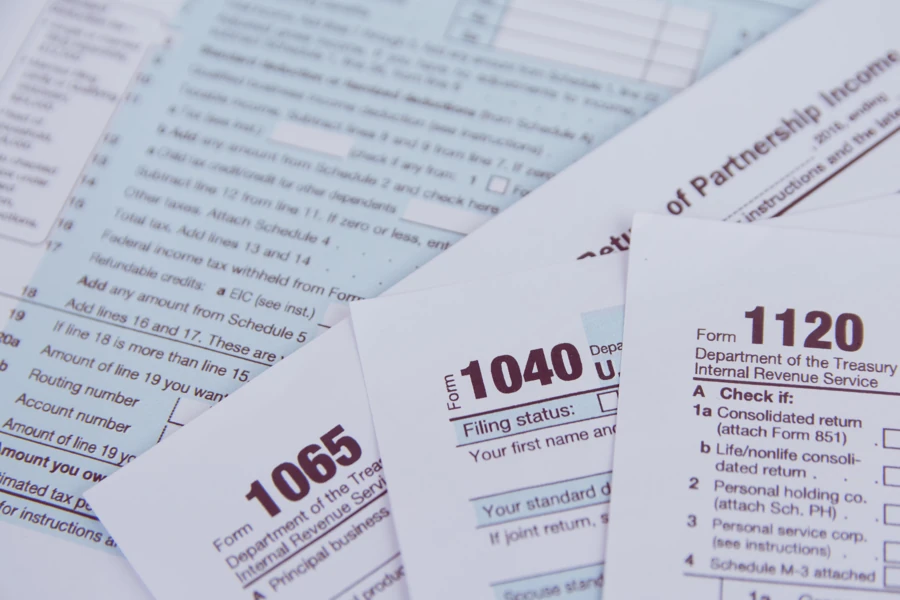
2026 Business Tax Update: New Rules, New Risks, New Opportunities
Business taxpayers continue to face a rapidly changing tax environment driven by new legislation, updated IRS guidance, inflation adjustments, and evolving compliance expectations. This two-hour course provides practitioners with a practical review of the developments that matter most to businesses and their advisors.

Thriving with Less IRS: Smart Self-Help Strategies for Tax Pros
The IRS continues to face significant staffing reductions, leaving tax professionals and taxpayers to rely increasingly on self-help tools and digital services. This session explores practical ways to navigate IRS resource constraints by leveraging online accounts, secure communication platforms, and other technology-driven solutions. Participants will gain strategies to streamline compliance, improve client outcomes, and reduce frustration while maintaining high professional standards. The presentation also highlights external resources — from advocacy groups to professional networks — that can strengthen tax practice in an era of limited IRS capacity.

Education Tax Credits Rewritten: Understanding the New Federal Scholarship Tax Credit
The new federal scholarship tax credit creates significant planning, compliance, and advisory opportunities for tax professionals working with families, education providers, donors, and scholarship-granting organizations. This course provides a practical overview of the new credit, including its purpose, eligibility rules, contribution and scholarship mechanics, reporting requirements, and the key issues practitioners should watch as implementation guidance develops.

2026 Individual Tax Update: New Rules, New Risks, New Opportunities
Major tax legislation has created some of the most significant changes to individual taxation in years. This practical two-hour update is designed for tax professionals who need to quickly understand what has changed, identify potential compliance risks, and recognize new planning opportunities before the filing season begins.
2026 Business Tax Update: New Rules, New Risks, New Opportunities
Business taxpayers continue to face a rapidly changing tax environment driven by new legislation, updated IRS guidance, inflation adjustments, and evolving compliance expectations. This two-hour course provides practitioners with a practical review of the developments that matter most to businesses and their advisors.

Self Study Courses Now Available!
Earn continuing education credit on your own time, at your own pace.